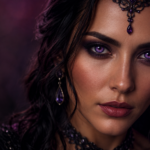

Coloured lenses can create anything from a subtle everyday change to a bold costume effect, but the best option depends on the occasion, desired coverage and expected wear time. Shoppers comparing coloured contact lenses should consider comfort, shade and suitability for the intended look. For themed parties, halloween contact lenses can provide a dramatic transformation, while white contact lenses are particularly effective for ghostly, supernatural and fantasy-inspired costumes.
Unlike ordinary fashion accessories, decorative lenses sit directly on the eye. Their appearance matters, but so do fit, handling and hygiene. A pair that looks striking in a product image may create a different effect depending on the wearer’s natural eye colour, makeup and lighting.
By considering the final look before purchasing, shoppers can choose a style that feels intentional rather than distracting.
Decide How Noticeable the Change Should Be
The first decision is whether the lenses should enhance the natural eye colour or create a complete transformation.
Enhancement styles are often designed to deepen or brighten an existing shade. They may work well for everyday outfits, photographs, dinners and special occasions where the wearer wants a noticeable but believable change. Softer greens, hazels, blues and greys can create definition without becoming the main focus of the entire look.
Opaque styles provide stronger coverage and are more suitable when the goal is to change a dark natural eye colour or create an unusual costume effect. These designs may include bright shades, contrasting rings or printed patterns that remain visible in photographs and low lighting.
Shoppers should pay attention to how the colour is distributed across the lens. A blended pattern may create a softer result, while a sharply defined outer ring can make the eyes appear larger and more dramatic.
Match the Shade to the Occasion
Everyday lenses should usually complement the wearer’s clothing, complexion and makeup rather than compete with them. Neutral browns, soft greys and muted greens can work across a wide range of personal styles.
For weddings, parties and formal events, the chosen shade can reflect the colours already present in the outfit. A cool grey or blue may complement silver jewellery and cooler makeup, while hazel and warm brown tones can suit bronze, gold and earthy shades.
Costume lenses follow a different approach. They are often intended to look unnatural, making them useful for characters, fantasy themes and dramatic party makeup. White, red, black and patterned designs can change the overall impression of a costume even when the clothing remains simple.
The lens effect should still support the character rather than appear randomly added. A pale or icy style may suit a ghostly costume, while a strong red design may work better with vampire or supernatural themes.
Consider Natural Eye Colour and Coverage
The wearer’s existing eye colour can influence the final result. A lightly tinted style may appear clearly on pale eyes but have limited visibility over darker irises.
Those seeking a complete colour change should look for stronger coverage rather than relying on a subtle tint. Product images may show the lens on a particular eye colour, so shoppers should check whether additional examples are available.
Lighting also changes how lenses appear. A shade that looks bright under direct studio lighting may appear softer indoors or in evening conditions. Costume wearers who expect to take photographs in darker settings may prefer a design with clearer contrast.
The size and placement of the printed iris pattern can also affect the result. Some styles create a natural transition near the pupil, while others use a more defined shape for maximum impact.
Balance Price With Practical Needs
Lower-priced styles can make it easier to experiment with different colours, especially when the lenses are intended for a single outfit or occasional event. However, price should not be the only factor guiding the decision.
Shoppers should check the product details carefully, including the replacement schedule, lens measurements and care requirements. They should also confirm whether the lenses are designed for cosmetic use only or are available with vision correction.
Buying a shade simply because it is inexpensive can be disappointing when it does not provide the expected coverage. A better approach is to choose the intended effect first, then compare suitable options within the available budget.
Planning ahead is particularly useful for costumes. Ordering early allows time to inspect the product, practise handling it and confirm that the design works with the completed outfit.
Put Comfort and Hygiene First
Decorative lenses should be handled carefully, even when they will only be worn for a short event. Clean, dry hands are important before touching the lens or eye area.
Wearers should follow the supplied instructions for cleaning, storage and replacement. Lenses should not be shared between people, as each pair is intended for individual use.
Makeup can be applied in an order that reduces unnecessary contact with the lenses. Inserting them before applying eye makeup may help prevent powder, liner or cosmetic products from transferring onto the lens surface. They should be removed before taking off makeup at the end of the event.
Anyone who experiences pain, unusual redness, blurred vision or persistent irritation should remove the lenses rather than attempting to continue wearing them. Professional guidance is appropriate when there are concerns about fit, vision or eye health.
Complete the Look Without Overdoing It
Coloured lenses are most effective when they form part of a complete visual style. Everyday shades can be supported by simple makeup and complementary clothing, while costume designs may work with stronger liner, shadow and carefully chosen accessories.
The eye area should remain balanced. Dramatic lenses and very heavy makeup can sometimes compete for attention, particularly in close-up photographs. Testing the complete look in similar lighting to the event can help identify whether any elements need to be softened.
For costumes, the wearer should also consider visibility and practicality. Large accessories, masks or false lashes should not interfere with the eyes or make the lenses difficult to manage.
Choosing the right pair involves balancing colour, coverage, comfort and occasion. With thoughtful selection and responsible handling, decorative lenses can create a polished everyday enhancement or become the defining detail of a memorable costume.